
Exogenous toxicosis in dogs and cats: a 20-year retrospective study
DOI:
https://doi.org/10.24070/bjvp.1983-0246.019001Keywords:
carbamates, crime, forensic medicine, toxicologyAbstract
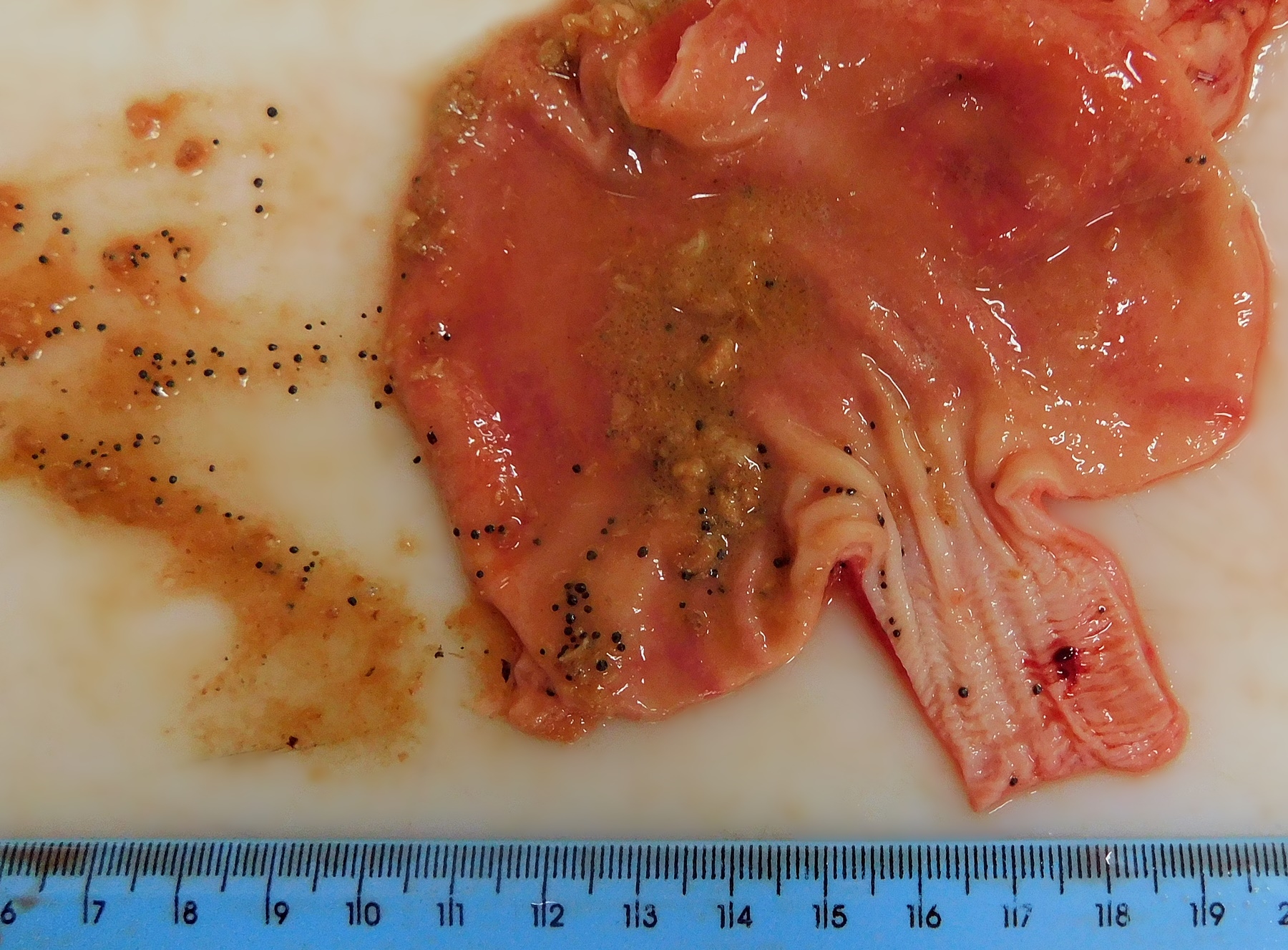
Exogenous poisoning is a form of mistreatment inflicted upon animals, with pesticides being the primary agents associated with fatal poisoning in dogs and cats in Brazil. Given its significance for animal, human, and environmental health, the objective of this study was to conduct a retrospective necropsy study of patients diagnosed with exogenous poisoning. One hundred necropsy cases of poisoning in dogs and cats were selected over a period of 20 years (2000-2019). Reports from these cases were retrieved, and the following information was compiled: species, breed, sex, age, cause of death, diagnosis, toxicological examination, and police report. Dogs were most affected (68%; 68/100), followed by cats (32%; 32/100). Mixed-breed animals were more prevalent, representing 87.5% (28/32) of the cats and 33.82% (23/68) of the dogs. The most frequently diagnosed chemical agent was carbamate (59.37%; 19/32). During necropsy, the most common finding was congestion of one or more organs (80%; 80/100), and the most frequent cause of death was respiratory failure (47%; 47/100). A police report was filed in 29% (29/100) of the cases, with neighbors often identified as the primary suspects. Based on the results of the present study, it can be concluded that exogenous poisoning in dogs and cats is prevalent (14,34%; 100/697). Furthermore, as necropsy findings are nonspecific, it is essential to conduct a toxicological examination to confirm the diagnosis.
Downloads
Additional Files
Published
Issue
Section
License
Copyright (c) 2026 Brazilian Journal of Veterinary Pathology

This work is licensed under a Creative Commons Attribution 4.0 International License.


