
Sudden death in a young cat with a cardiomyopathic nonspecific phenotype, primary hypothyroidism and obesity: a case report
DOI:
https://doi.org/10.24070/bjvp.1983-0246.019009Keywords:
Cats, obesity, metabolic syndrome, cardiomyopathy, hypothyroidism, immunohistochemistryAbstract
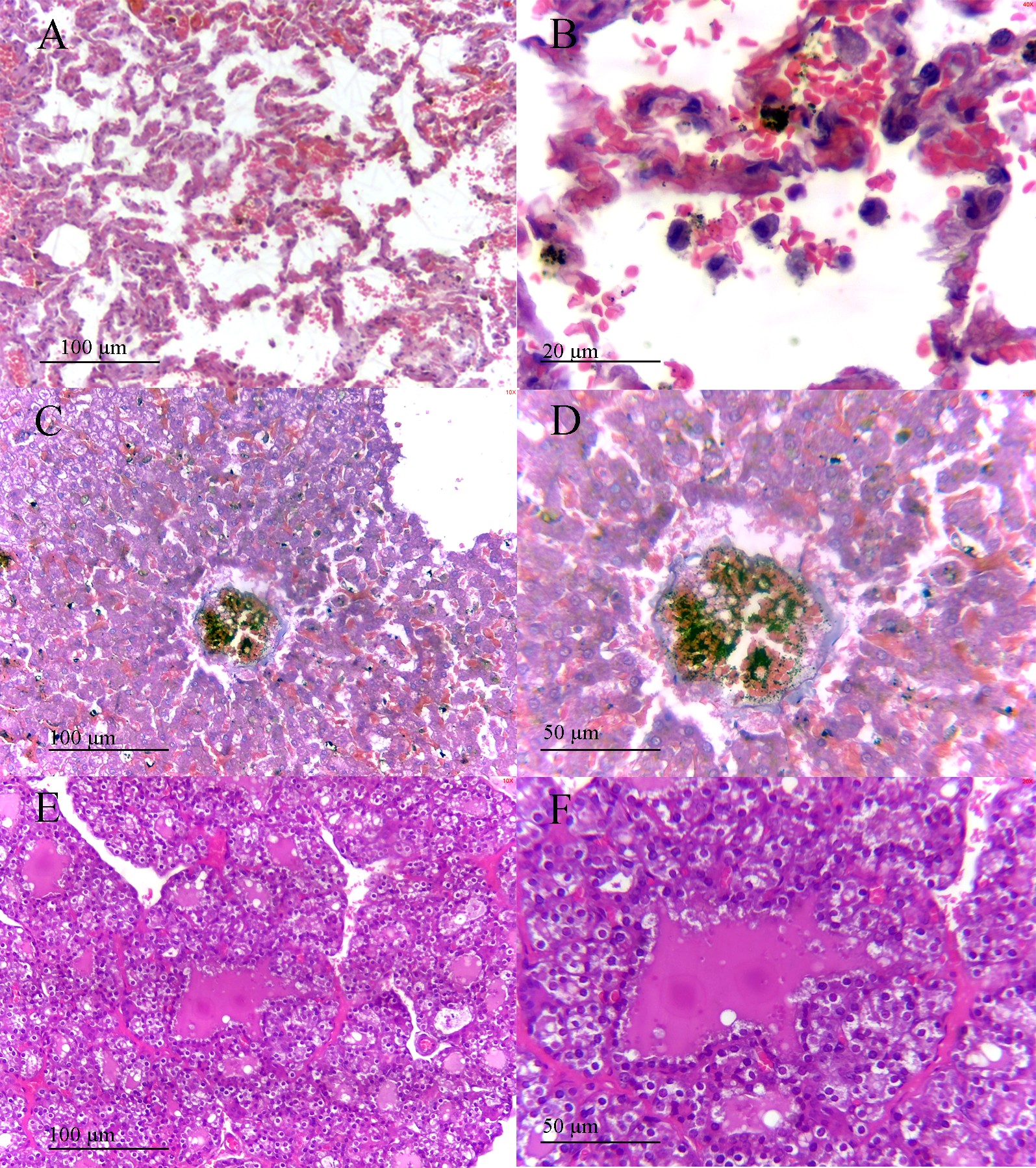
Feline metabolic syndrome is a poorly documented yet clinically relevant condition in veterinary medicine. This syndrome may remain clinically silent for long periods, allowing cardiac and endocrine dysfunction to progress unnoticed. Cardiac fatty infiltration combined with myocardial remodeling represents a rare but important cause of heart failure and sudden death. A three-year-old female mixed-breed cat with no prior clinical history was found dead at home. Necropsy revealed severe obesity (body condition score 9/9) with extensive pericardial, mesenteric, perirenal, and subcutaneous fat deposition; pleural effusion; pulmonary collapse; and cardiomegaly characterized by left ventricular concentric hypertrophy and right ventricular atrophy. Histopathology confirmed left ventricular myocardial hypertrophy with interstitial fibrosis, right ventricular adipose infiltration (adipositas cordis), hepatic and pulmonary congestion, and diffuse thyroid follicular hyperplasia. The absence of fibroadipose replacement excluded arrhythmogenic right ventricular cardiomyopathy (ARVC). Immunohistochemistry demonstrated markedly reduced expression of thyroglobulin and thyroid transcription factor-1, supporting the diagnosis of thyroid dysfunction. Taken together, these findings indicate a rare association of a cardiomyopathic nonspecific phenotype with primary hypothyroidism and obesity, reflecting a complex metabolic–cardiac interplay culminating in sudden death. This case highlights the importance of early metabolic and endocrine assessment in obese cats, even in the absence of clinical signs, and emphasizes the diagnostic value of postmortem immunohistochemistry in identifying sudden deaths of uncertain etiology.
Downloads
Additional Files
Published
Issue
Section
License
Copyright (c) 2026 Brazilian Journal of Veterinary Pathology

This work is licensed under a Creative Commons Attribution 4.0 International License.


