
Neoplasia of glandular and blood vessel origin in Canis familiaris: diagnostic and therapeutic approach
DOI:
https://doi.org/10.24070/bjvp.1983-0246.019005Keywords:
benign neoplasm, cutaneous tumor, dog surgeryAbstract
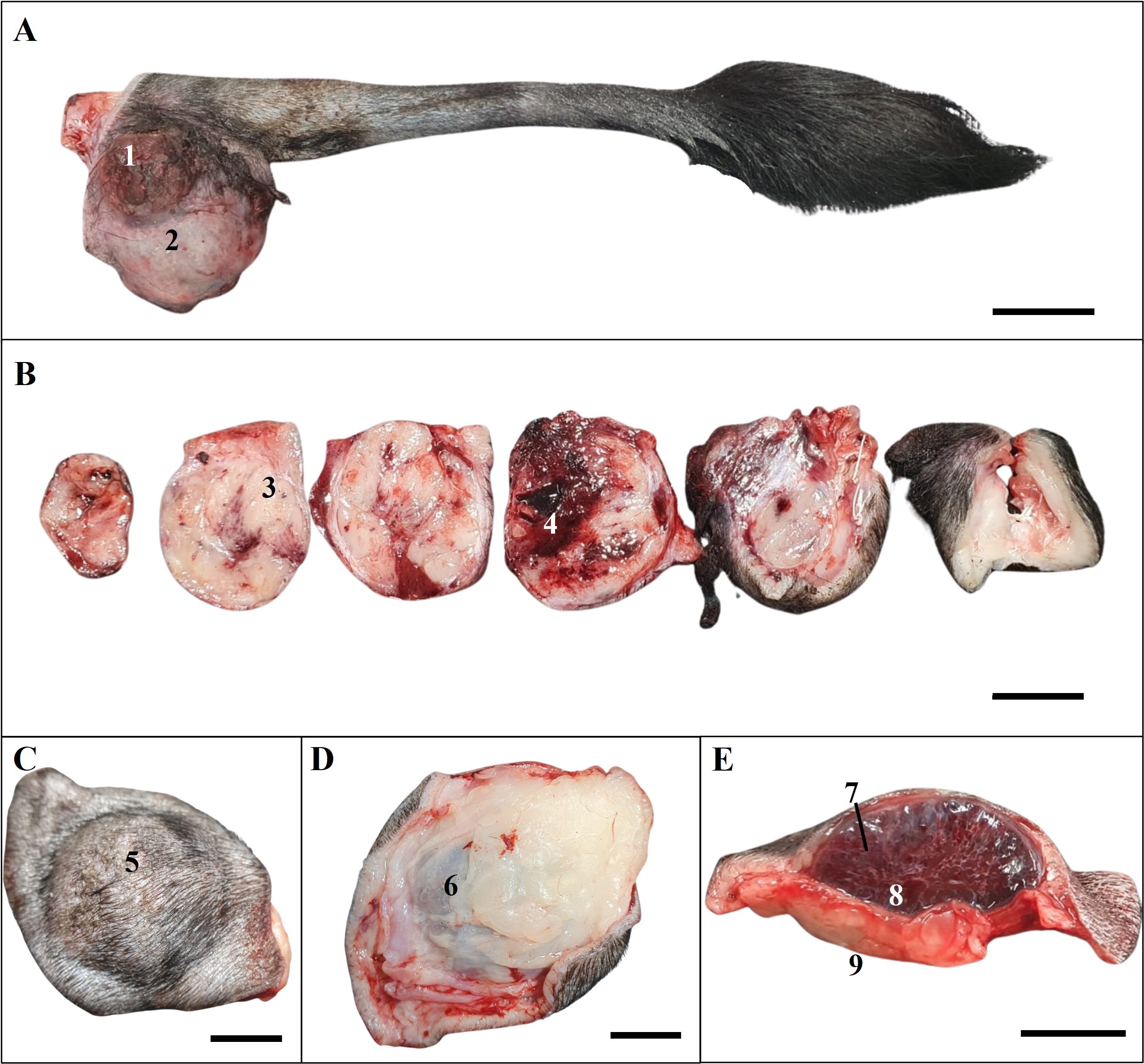
Cutaneous neoplasms in dogs are common findings in routine veterinary practice, especially in older animals. Among these, adenoma and hemangioma stand out, both of benign nature but capable of causing discomfort and the risk of secondary complications. This paper reports the case of a 7-year-old mixed-breed male dog weighing 5 kg, which presented two distinct nodular formations: a subcutaneous lesion on the right dorsal region and another at the base of the tail. The first was identified as a hepatoid cell adenoma, and the second as a hemangioma, both confirmed by histopathological examination after surgical excision. The clinical case highlights the importance of early evaluation of skin masses, precise surgical management, and diagnostic differentiation between tumor types, in accordance with current veterinary oncology guidelines.
Downloads
Published
Issue
Section
License
Copyright (c) 2026 Brazilian Journal of Veterinary Pathology

This work is licensed under a Creative Commons Attribution 4.0 International License.


