
Malignant catarrhal fever and Clostridium perfringens co-infection in White-Spotted Deer: a fatal encounter
DOI:
https://doi.org/10.24070/bjvp.1983-0246.019010Keywords:
Malignant Catarrhal Fever, Ovine herpesvirus 2, Clostridium perfringens, transboundary diseaseAbstract
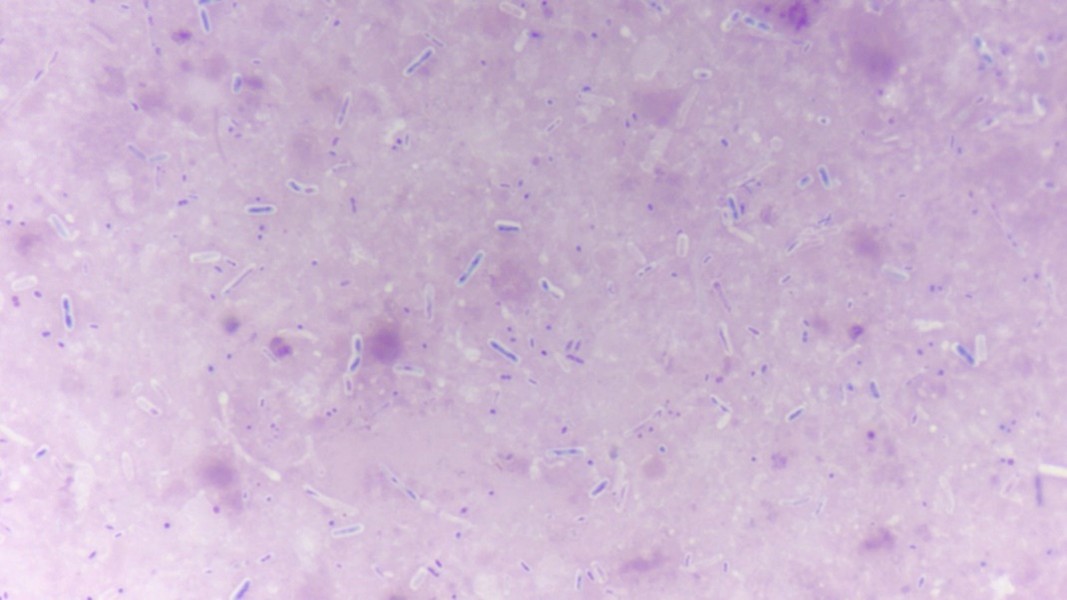
Malignant Catarrhal Fever (MCF) is one of the diseases reported as a transboundary disease, which is commonly caused by Alcelaphine herpesvirus 1 (AlHV-1) and Ovine herpesvirus 2 (OvHV-2). Cervidae (Deer) are susceptible to this virus infection, with the outbreak occurring sporadically. A total of 5 out of 42 deer were presented with sudden death and weakness, with bloody diarrhea ranging from a few days to 24 hours before death. Gross and histopathological evaluations revealed severe haemorrhagic enteritis, pulmonary edema, and widespread necrotizing vasculitis observed in the lung, liver, and kidney. Diagnostic laboratory testing revealed a positive result of MCF (OvHV-2) virus from the lung samples through Polymerase chain reaction (PCR). Anaerobic culture, PCR and sequencing of the intestinal sample were positive for C. perfringens. Following the deaths of 2 deer, examination of the feed revealed an unplanned dietary transition from deer pellet to goat pellet with the differences in the protein content (min 14%) with mostly grains and higher moisture content (max 13%) in the goat pellet, leading to possible changes in the gastrointestinal flora of the deer gut which causes proliferation of C. perfringens. Presence of OvHV-2 targets the CD8+ lymphocytes that induce systemic inflammation, causing widespread vascular injury, which further promotes proliferation of C. perfringens that contributes to the severity of the enteritis observed. The resulting necrohaemorrhagic enteritis leads to hypovolemic shock, ultimately death due to circulatory failure. This report highlights the review, presents findings, transmission and pathology of Malignant Catarrhal Fever and C. perfringens in white spotted deer.
Downloads
Published
Issue
Section
License
Copyright (c) 2026 Brazilian Journal of Veterinary Pathology

This work is licensed under a Creative Commons Attribution 4.0 International License.


